 Phone: +010 50 855 838
  Email: restaurant@asperogroup.com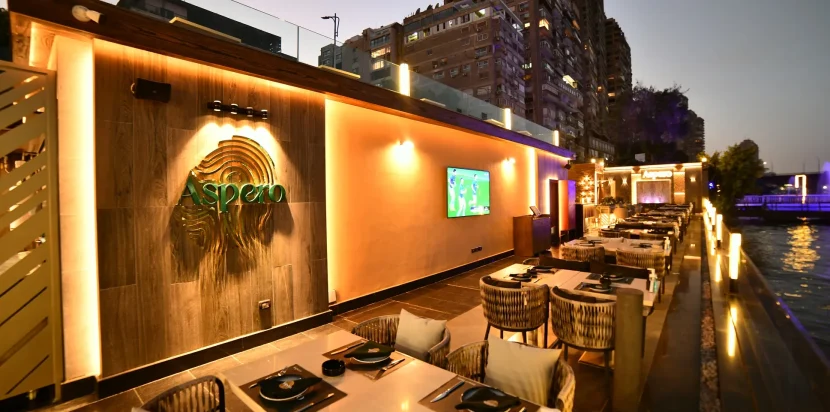
When guests walk into a restaurant, the first thing they notice is not the menu but the atmosphere. Interior design plays a vital role in shaping this first impression, influencing how comfortable diners feel and how they perceive the quality of the experience. From lighting and furniture to layout and décor, every detail contributes to creating a cohesive environment. In Egypt, where the dining culture is rapidly evolving, restaurants understand that design is as important as food. Venues such as Aaspero illustrate how thoughtful design elevates dining into a memorable journey rather than just a meal.
The Role of First Impressions
Setting the Tone
The design of the entrance, reception, and seating area determines how guests feel even before tasting their food.
Influencing Perception
A stylish, well-designed space communicates quality and professionalism, making guests trust the restaurant.
Example of Aaspero
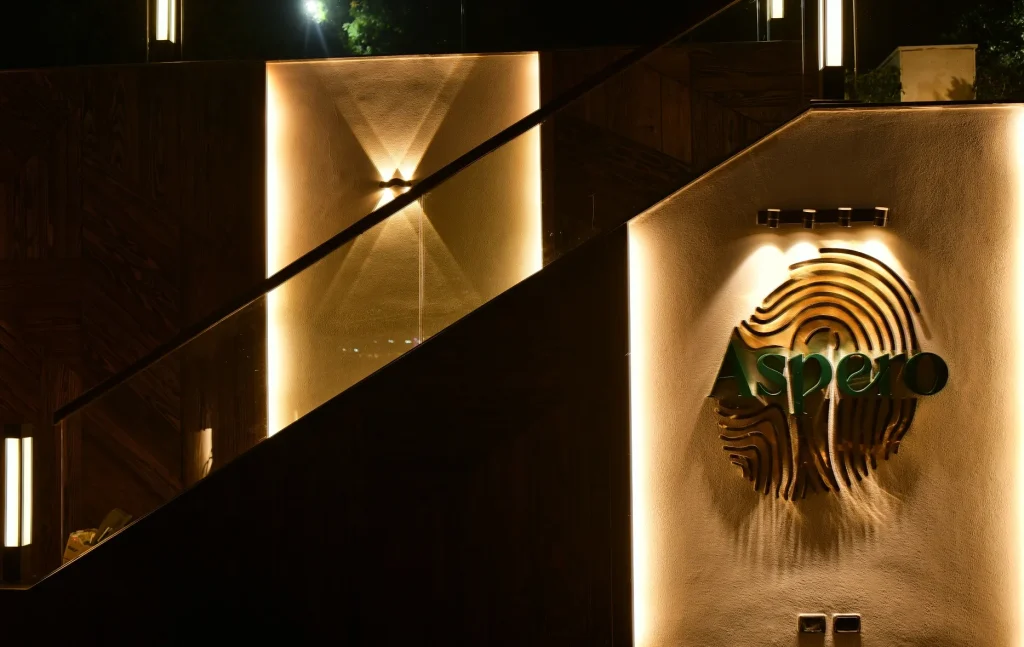
At Aaspero, the moment guests step inside, they encounter elegant interiors that reflect sophistication and comfort.
Elements of Restaurant Interior Design
Lighting
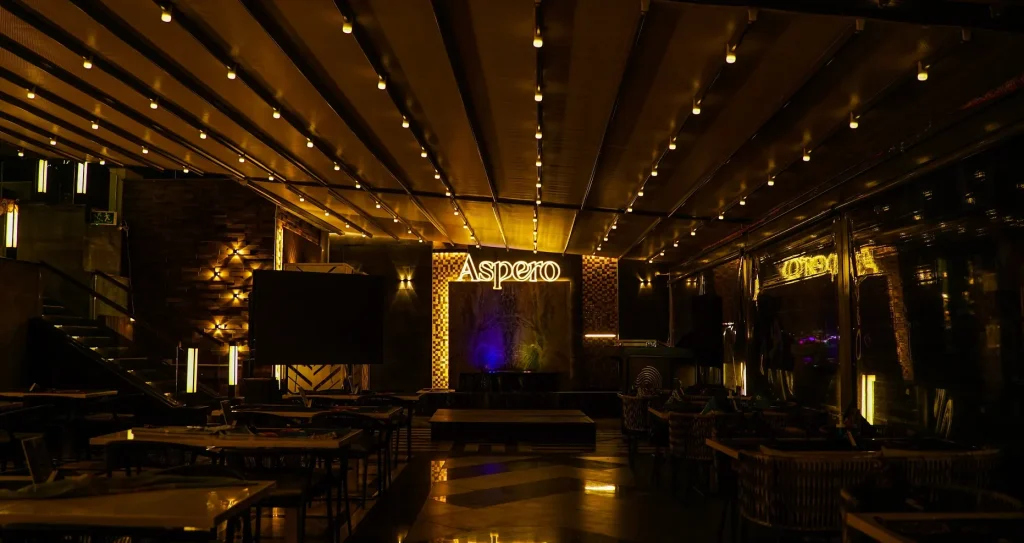
Lighting creates mood. Soft, warm lighting is often associated with fine dining, while brighter tones suit casual or family-friendly spaces.
Furniture and Layout
Tables, chairs, and spacing affect comfort and privacy. Guests should feel relaxed without being crowded.
Color Schemes
Colors influence emotions. Deep tones create luxury, while light palettes promote openness and calmness.
Décor and Accessories
Art, plants, and details personalize the space and reflect the restaurant’s brand identity.
Enhancing the Dining Experience
Comfort and Functionality
Design ensures diners enjoy their meal without distractions, from comfortable seating to accessible layouts.
Supporting the Menu
The design should match the type of food. For example, a Mediterranean restaurant may use coastal colors and textures.
Encouraging Longer Visits
Well-designed spaces make guests want to linger, which can increase customer satisfaction and revenue.
Cultural and Local Influences
Reflecting Heritage
In Egypt, many restaurants incorporate traditional elements such as patterns, materials, or artwork inspired by local culture.
Blending Modern and Classic
Venues like Aaspero mix modern elegance with subtle local touches, appealing to both Egyptians and international visitors.
Creating a Sense of Place
Design helps restaurants stand out by giving guests a unique environment tied to cultural identity.
Psychological Impact of Design
Affecting Appetite
Colors and lighting can stimulate or suppress hunger. Warm tones and cozy layouts often encourage appetite.
Mood and Emotion
Design can calm guests, inspire romance, or create excitement depending on the atmosphere desired.
Social Dynamics
The arrangement of tables and acoustics can encourage conversation or privacy.
Interior Design as a Branding Tool
Reinforcing Identity
Just as logos and menus matter, design represents the brand in physical form.
Memorable Impressions
A unique interior makes guests remember the venue and associate it with quality.
Aaspero’s Example
By combining elegance with functionality, Aaspero uses design to communicate its high standards of luxury and comfort.
Balancing Aesthetics and Practicality
Functional Spaces
Design must allow staff to move efficiently, ensuring smooth service.
Maintenance and Longevity
High-quality materials ensure the restaurant remains attractive over time.
Cost vs Value
While design is an investment, it often pays off in guest loyalty and reputation.
The Future of Restaurant Interior Design
Sustainability
Eco-friendly materials and energy-efficient lighting are becoming more important.
Technology Integration
Smart lighting, digital menus, and interactive design features are shaping modern dining spaces.
Adaptability
Restaurants increasingly design flexible spaces that can shift between casual and formal experiences.
Finally
Interior design is more than decoration; it is a core part of the dining experience. From first impressions to long-term branding, design shapes how guests feel, behave, and remember a restaurant. Venues like Aaspero show that when design is handled with care, it elevates every aspect of hospitality. For restaurants in Cairo and beyond, investing in thoughtful design is not a luxury but a necessity, ensuring that every meal is served in an atmosphere of comfort, elegance, and meaning.

Comments are closed