 Phone: +010 50 855 838
  Email: restaurant@asperogroup.com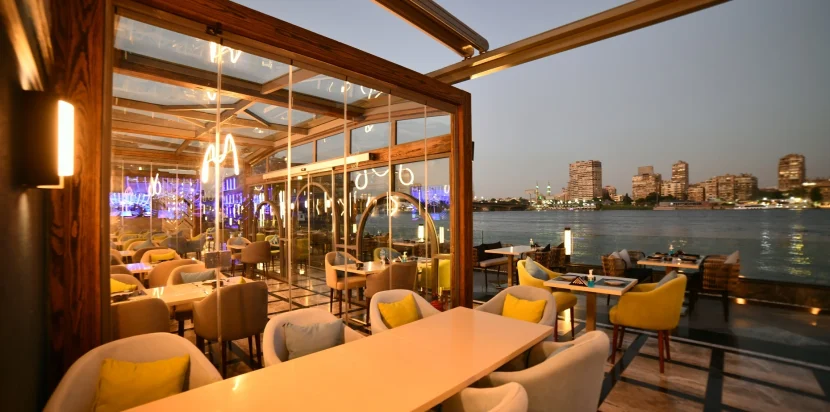
Restaurant design has come a long way from simple dining halls and functional eateries to today’s immersive, experience-driven spaces. Modern design reflects not only aesthetics but also psychology, efficiency, and brand identity. Every element, from layout and lighting to color schemes and seating, shapes how guests perceive a restaurant. In Egypt, the evolution of restaurant design mirrors global trends while also drawing inspiration from local culture and traditions. Venues like Aaspero highlight how modern restaurants balance luxury with comfort, creating experiences that appeal to both local and international diners.
Early Concepts of Restaurant Design
Function Over Aesthetics
In the early stages, restaurants focused primarily on food delivery and service efficiency. Design was minimal, with little emphasis on atmosphere.
The Rise of Formal Dining
As fine dining culture spread globally, more attention was given to elegant furniture, décor, and service style.
Influence of European Traditions
French and Italian dining traditions introduced formal layouts, table settings, and design elements that shaped early concepts.
The Shift Toward Experience
Dining as a Social Activity
By the mid-20th century, restaurants began designing spaces that encouraged conversation and social interaction.
Ambience as a Selling Point
Lighting, music, and décor became central tools for creating moods and attracting specific demographics.
Identity and Differentiation
Restaurants started using design to express uniqueness and stand out from competitors.
Key Elements of Modern Restaurant Design
Lighting as Atmosphere
Lighting defines mood, with soft tones for fine dining and brighter options for casual spaces.
Open Layouts
Modern restaurants prioritize open, flexible layouts that maximize both functionality and aesthetics.
Integration of Technology
Digital menus, smart lighting, and open kitchens are now common elements of modern design.
The Role of Cultural Influence
Local Inspiration
Egyptian restaurants often incorporate traditional art, patterns, and colors to connect with cultural heritage.
Blending Global and Local
Venues like Aaspero combine international luxury trends with local cultural touches, creating unique environments.
Seasonal and Event Adaptations
Modern restaurants design spaces that can shift atmospheres based on seasons or celebrations.
Sustainability in Restaurant Design
Eco-Friendly Materials
Wood, bamboo, and recycled materials are increasingly used to minimize environmental impact.
Energy Efficiency
LED lighting, natural ventilation, and eco-friendly designs reduce operational costs.
Long-Term Value
Sustainable design is seen as both a marketing tool and a responsibility to the community.
Psychological Aspects of Design
Influencing Appetite
Colors and lighting are strategically chosen to stimulate hunger and comfort.
Encouraging Social Interaction
Seating arrangements promote either intimacy or group gatherings, depending on the restaurant’s target audience.
Enhancing Memory
A well-designed restaurant becomes memorable, ensuring guests associate the experience with positive emotions.
Aaspero as a Case Study
Luxury Meets Comfort
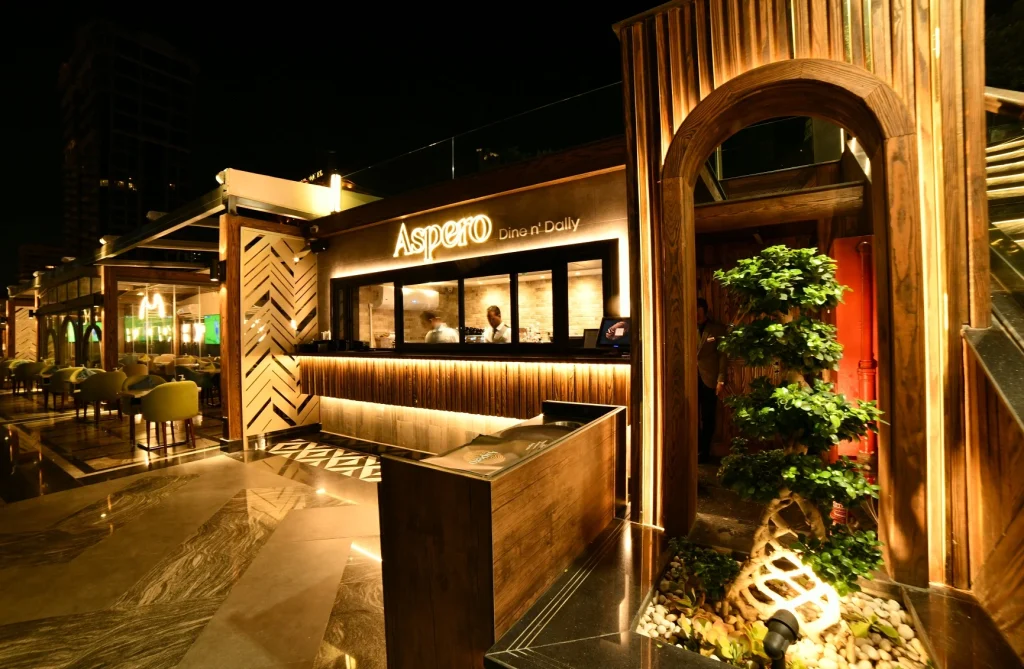
At Aaspero, the design blends elegant interiors with welcoming layouts, ensuring every guest feels valued.
Attention to Detail
From lighting to furniture, every element is chosen to enhance the dining journey.
A Dynamic Space
Aaspero adapts spaces for romantic dinners, family gatherings, and business meetings seamlessly.
Iconic Branding
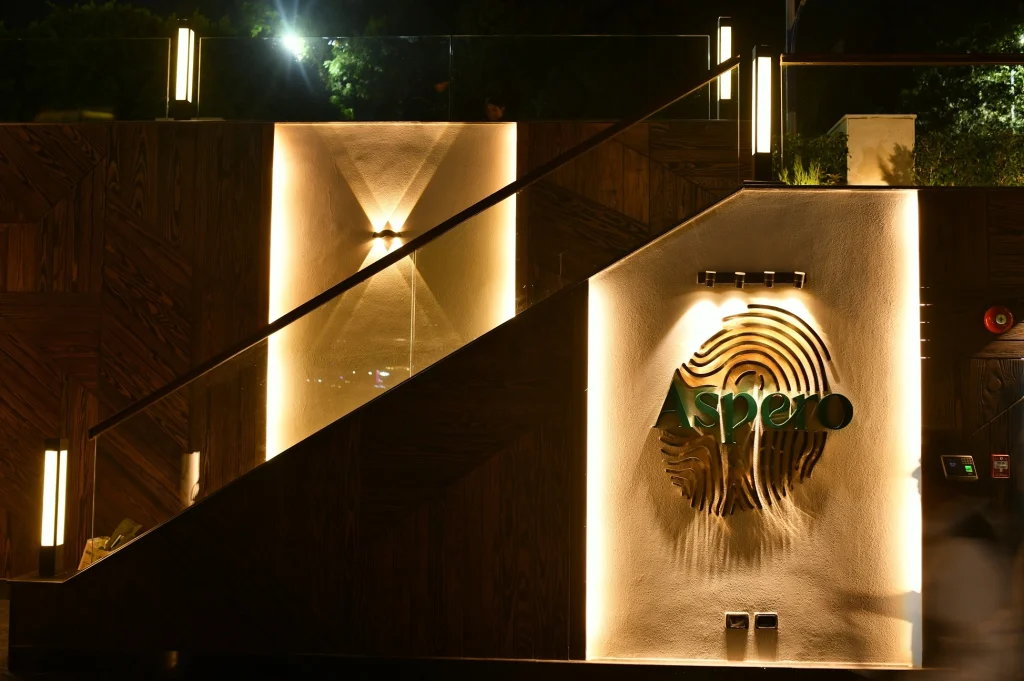
By excelling in design, Aaspero has built a brand identity that is recognized for sophistication and comfort.
The Future of Modern Restaurant Design
Flexible and Adaptive Spaces
Design is shifting toward modular furniture and layouts that can adjust to various occasions.
Immersive Experiences
Themes, interactive design, and storytelling elements will become more prominent.
Global Inspiration, Local Execution
Restaurants in Egypt will continue blending international design trends with Egyptian hospitality.
Finally
The evolution of modern restaurant design reflects a shift from basic functionality to a focus on holistic experiences. Today, design is a powerful tool that shapes perception, mood, and brand identity. Venues like Aaspero showcase how thoughtful design can blend elegance with efficiency, creating spaces that appeal to diverse audiences. For restaurants in Egypt and beyond, the journey of design evolution emphasizes one key lesson: a meal is not only about taste but about the environment that surrounds it.

Comments are closed