 Phone: +010 50 855 838
  Email: restaurant@asperogroup.com
Food is not only about taste; it is also about presentation. Plating is an art form that transforms a dish from ordinary to extraordinary, making it visually appealing and enhancing the dining experience. The way food is arranged on a plate influences a guest’s first impression before the first bite. In Egypt’s evolving restaurant scene, chefs are increasingly adopting advanced plating techniques to elevate their menus. Venues like Aspero highlight how thoughtful presentation can turn a simple meal into a memorable, luxurious experience.
Why Plating Matters
First Impressions Count
Guests often judge a dish by how it looks before they taste it, and plating sets the tone for the experience.
Enhancing Flavor Perception
A well-arranged plate creates expectations, making flavors seem more refined and balanced.
Creating Memorable Experiences
Plating turns food into a form of storytelling, leaving guests with lasting impressions.
Principles of Impressive Plating
Balance and Symmetry
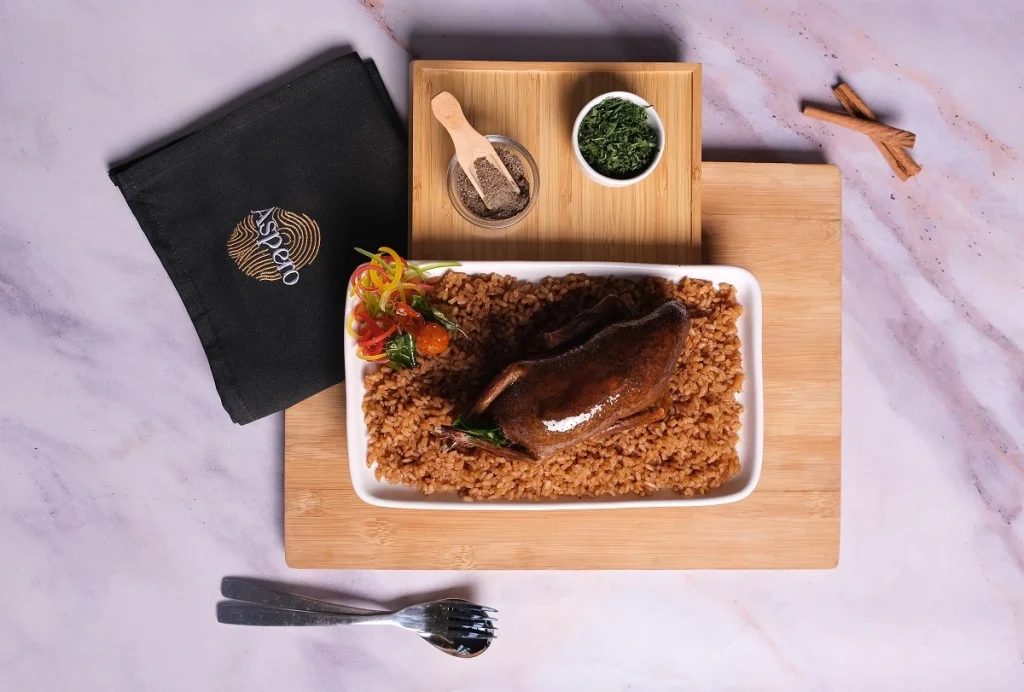
A plate should have harmony between colors, textures, and proportions to feel visually pleasing.
Focal Points
Chefs design plates so the main element draws attention immediately, guiding the diner’s eye.
White Space
Leaving parts of the plate empty emphasizes elegance and prevents overcrowding.
Popular Plating Techniques
Layering and Stacking
Stacking elements adds height and sophistication, making dishes look more dynamic.
Smears and Brushstrokes
Sauces are spread artistically across the plate, adding texture and color contrast.
Droplets and Dots
Small drops of sauces or purées create precision and elegance.
Garnishing with Purpose
Microgreens, herbs, or edible flowers add color while complementing flavors.
The Role of Color and Texture
Contrasting Colors
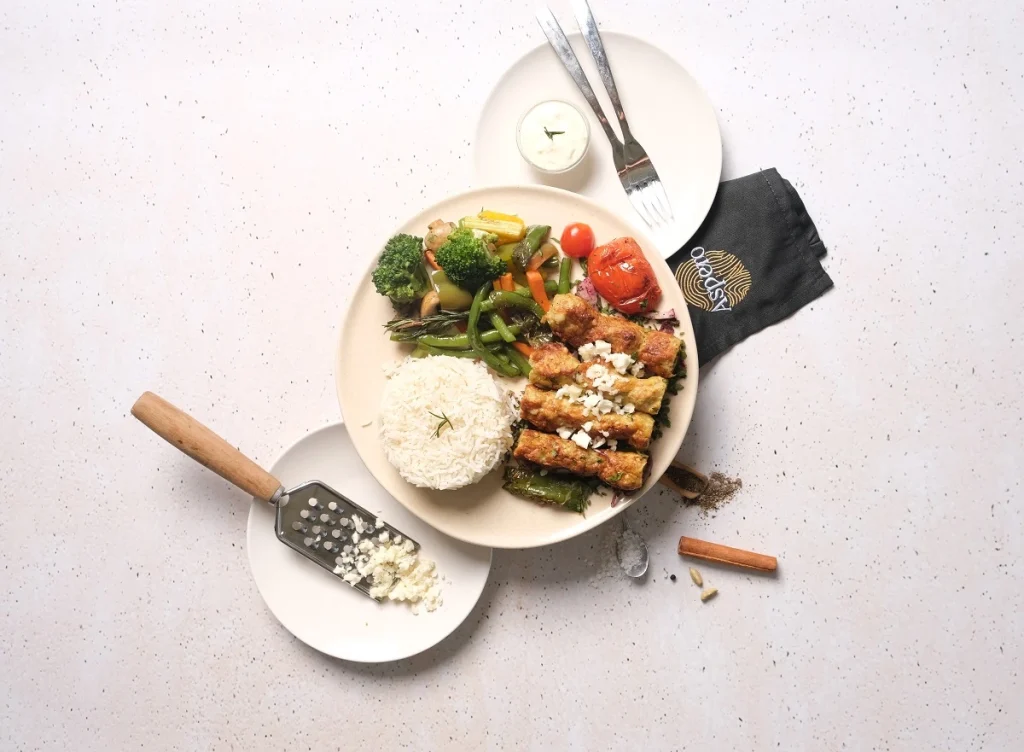
Bright vegetables against neutral backgrounds create visual excitement.
Textural Diversity
Crunchy, creamy, and soft elements on the same plate enhance appeal.
Seasonal Influence
Colors and textures reflect the season, adding freshness and authenticity.
Tools for Professional Plating
Precision Tweezers
Chefs use them to place delicate garnishes with accuracy.
Ring Molds
These create uniform shapes for grains, salads, or layered elements.
Squeeze Bottles
Used for creating clean lines, dots, and artistic designs with sauces.
Aspero’s Approach to Food Plating
Art Meets Cuisine
At Aspero, plating is treated as a vital element of the dining journey, blending artistry with flavor.
Creative Expression
Chefs at Aspero use modern plating styles that highlight both innovation and cultural inspiration.
Memorable Presentation
Each dish at Aspero is designed to impress, ensuring guests remember the visual before the taste.
Harmony of Style
Plates are balanced to reflect the elegance and sophistication that define Aspero.
Psychological Impact of Presentation
Influencing Appetite
Guests often feel hungrier when dishes look appealing, boosting satisfaction.
Perception of Quality
Well-plated dishes make restaurants appear more premium and refined.
Encouraging Sharing
Beautiful plating encourages guests to photograph and share their meals, enhancing organic marketing.
Trends in Modern Plating
Minimalist Designs
Less is more, with clean lines and simple arrangements creating sophistication.
Rustic Approaches
Natural, imperfect plating emphasizes authenticity and comfort.
Interactive Elements
Some dishes incorporate elements that guests can assemble or mix themselves.
Finally
Food plating is an essential part of modern dining, shaping how guests experience and remember their meals. From balance and color to innovative techniques, presentation elevates food into an art form. Venues like Aspero prove that plating is more than decoration; it is an integral part of the dining story. For restaurants in Egypt and beyond, mastering plating techniques is a powerful way to impress guests and build a reputation for excellence.

Comments are closed