 Phone: +010 50 855 838
 Email: restaurant@asperogroup.com
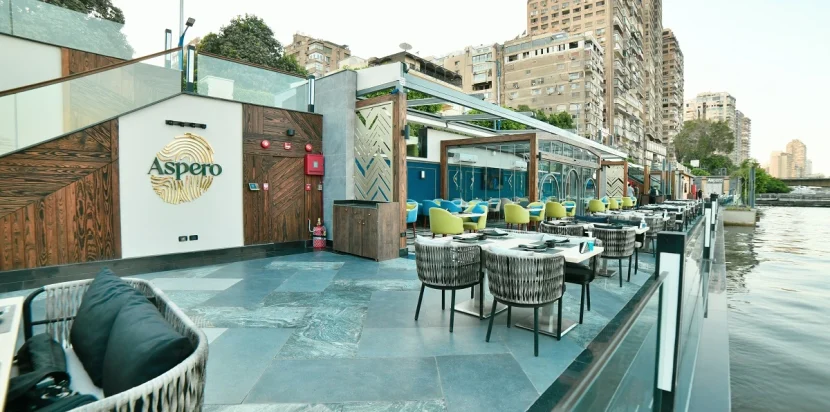
What service charges and taxes appear on restaurant bills in Egypt? Restaurant bills in Egypt may include more than the menu price, especially in full-service restaurants, Nile-view venues, hotel restaurants, tourist restaurants, or places that apply service policies. The most common additions guests may notice are service charge and value-added tax. However, the exact structure can vary from one restaurant to another, so it is always better to check the menu, ask the staff, and review the bill before paying.
What Is a Service Charge?
A service charge is an added amount that some restaurants apply for the dining service. It is different from the price of the food itself. It may appear as a separate line on the bill or be included in the menu pricing depending on the restaurant’s policy.
Guests should not assume that every restaurant applies service charge in the same way. Some places may include it clearly, while others may mention it on the menu. Before ordering, especially in a group or at a Nile-view restaurant, it is useful to ask whether menu prices include service or if it will be added to the final bill.
At Aspero Restaurant Giza, guests should confirm the current policy directly with the staff before ordering, especially if they are planning a group meal or a special occasion.
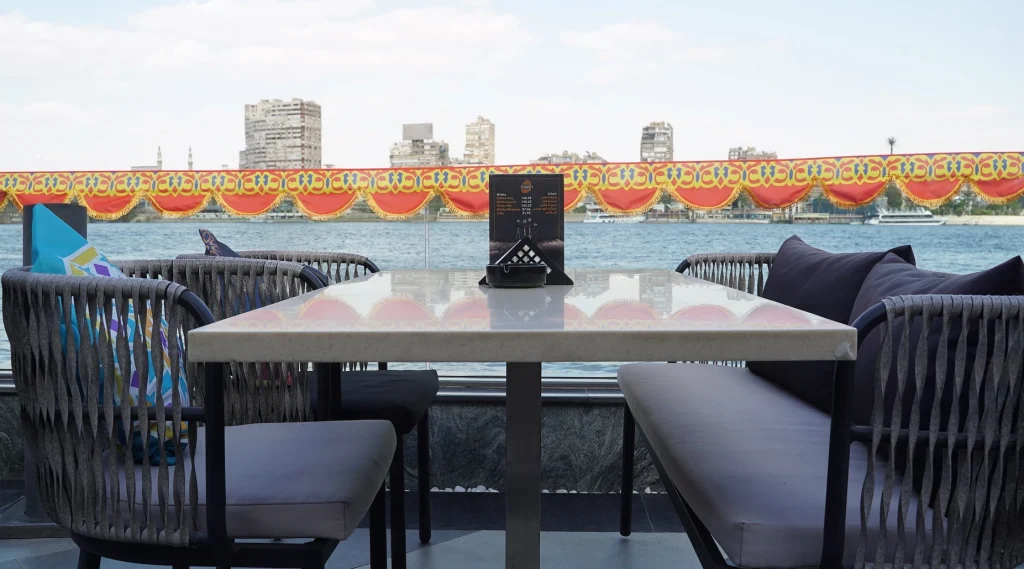
What Is VAT?
VAT stands for value-added tax. In Egypt, the Egyptian Tax Authority has clarified that tourist restaurants are subject to VAT at the general rate. Non-tourist restaurants may also be subject to VAT when they meet the legal registration requirements and the conditions set by related Ministry of Finance decisions.
For guests, this means VAT may appear on the restaurant bill depending on the restaurant’s legal and tax status. It may be shown as a separate line, or the restaurant may display prices in a way that already includes tax. Because this can differ, it is better to ask whether menu prices are inclusive or exclusive of VAT.
Why Bills Can Look Different from One Restaurant to Another
Restaurant bills in Egypt are not always presented in the same format. One restaurant may show food items, service charge, and VAT separately. Another may show a final price that already includes some charges. A third may have different policies depending on dine-in, delivery, events, or special menus.
This is why visitors should not compare bills only by looking at the final total. A restaurant with lower menu prices but added charges may end up close to another restaurant with inclusive pricing.
The clearest way to compare is to ask: “Are prices inclusive of tax and service?” before ordering.
What Tourists Should Know
Tourists visiting Giza may be less familiar with local restaurant bills. If you are dining near the Nile, after visiting the Pyramids, or in a more service-focused restaurant, take a moment to review the menu notes.
It is normal in many countries for restaurants to add tax or service separately, but the important point is clarity. If you do not understand the bill, ask the staff politely to explain each line.
For tourists, it is also helpful to keep the receipt, especially when paying by card or mobile wallet.
Is Tipping Still Expected?
Tipping is separate from service charge. Even if a service charge appears on the bill, some guests may still choose to leave an extra tip for good service. This is optional and depends on the guest’s satisfaction, budget, and local habit.
If you are unsure, ask whether the service charge goes to the staff or is part of the restaurant’s general policy. There is no need to overthink it. If the service was helpful and you want to show appreciation, you can leave a tip. If you prefer not to, check the bill and decide based on your comfort.
What to Ask Before Ordering
Before ordering at a restaurant in Giza, especially for a larger table, ask three simple questions. Are the menu prices inclusive of tax? Is there a service charge? Are there any minimum charge or special event policies?
These questions help avoid surprises when the bill arrives. They are also useful if you are visiting for a birthday, group dinner, rooftop seating, Nile-view table, or late-night outing.
A good restaurant should be able to explain its billing clearly.

How This Applies to Nile-View Restaurants
Nile-view restaurants often offer more than food. They provide location, seating, service, view, and atmosphere. Because of that, guests may see service-related charges depending on the venue’s policy.
At Aspero Restaurant Giza, the best approach is to check the menu, ask about current billing policy, and confirm whether charges are included before placing a large order. This is especially important for families, tourists, couples, and groups who want to plan their budget properly.
How to Review Your Bill
When the bill arrives, review the listed items first. Make sure the food and drinks match what you ordered. Then check any added lines such as service, VAT, or other charges. If something is unclear, ask the staff to explain it before paying.
This should be done calmly and politely. Most bill questions are simple and can be resolved quickly when asked clearly.
Conclusion
What service charges and taxes appear on restaurant bills in Egypt? The most common additions are service charge and VAT, but the exact bill structure depends on the restaurant’s type, tax status, and service policy. Some restaurants may show charges separately, while others may include them in menu prices. Before dining at Aspero Restaurant Giza or any Nile-view restaurant in Giza, ask whether prices include tax and service, check if there is any minimum charge, and review the bill before paying. Clear questions before ordering can make the dining experience smoother and help guests plan their budget with confidence.

Comments are closed