 Phone: +010 50 855 838
 Email: restaurant@asperogroup.com

Mediterranean vs International Cuisine: What to Expect at a Giza Restaurant is an essential guide for diners who enjoy exploring different flavours but want to understand what makes each culinary style unique. Mediterranean cuisine is associated with fresh ingredients, herbs, olive oil, grilled proteins, and balanced combinations, while international cuisine brings together recipes and techniques from different parts of the world.
At Aspero Restaurant Giza, located at 133 Nile Street, both influences appear throughout the menu, giving guests the freedom to choose between familiar international favourites and Mediterranean-inspired dishes while enjoying views of the Nile.
What Is Mediterranean Cuisine?
Mediterranean cuisine draws inspiration from countries surrounding the Mediterranean Sea, including Greece, Italy, Spain, Turkey, and the coastal regions of North Africa.
Although each country has its own traditions, several ingredients appear frequently across Mediterranean cooking: olive oil, tomatoes, fresh vegetables, seafood, herbs, grains, and grilled meats.
Mediterranean dishes often highlight the natural flavour of their ingredients rather than relying entirely on heavy sauces.
However, Mediterranean cuisine is not always light. Creamy pasta, rich cheeses, and comforting baked dishes also form part of its diverse culinary traditions.
What Is International Cuisine?
International cuisine is a broad category covering dishes inspired by different countries and cooking traditions.
Rather than following one geographical identity, an international restaurant may offer Italian pasta, American burgers, Asian-inspired beef, Mexican-style fajitas, and European steak preparations.
This variety makes international menus appealing to groups with different preferences.
At Aspero Restaurant Giza, dishes such as Grilled Fajitas Chicken, Teriyaki Beef, and Classic Margherita Pizza demonstrate how different culinary influences can appear within one menu.

Mediterranean Flavours at Aspero Restaurant Giza
Aspero’s menu includes several dishes that reflect Mediterranean ingredients and preparation styles.
The Mediterranean Half Chicken features marinated grilled chicken accompanied by baked creamy orzo, combining a familiar grilled protein with a comforting pasta preparation.
Another example is the Greek Quinoa Salad, which includes kale, mixed leaves, quinoa, green apple, cranberries, grilled chicken, walnuts, and lemon dressing.
For seafood lovers, the Norwegian Tuscan Salmon combines grilled salmon with spinach, pasta aglio e olio, and a creamy butter-based sauce.
These dishes show how Mediterranean-inspired cooking can range from fresh salads to richer main courses.
International Dishes at Aspero
Guests who prefer international favourites can explore several alternatives.
The Grilled Fajitas Chicken features marinated grilled chicken breast, vegetables, avocado sauce, sour cream, pico de gallo, cheddar cheese, and tortilla bread.
Teriyaki Beef offers another flavour direction, combining tender beef, teriyaki sauce, peppers, onions, sesame, basmati rice, and vegetables.
For steak enthusiasts, the Imported Rib-Eye Steak comes with creamy mushroom sauce, pesto mashed potatoes, and grilled vegetables.
These dishes offer distinctive seasoning styles, textures, and accompaniments, making them useful options for guests interested in international cooking.
Mediterranean vs International Cuisine: Key Differences
The biggest difference is culinary identity.
Mediterranean cuisine generally follows traditions from a specific geographical region, while international cuisine includes dishes from many different countries.
Mediterranean meals frequently feature fresh produce, seafood, herbs, grilled meats, and olive oil. International menus can include a broader range of ingredients, sauces, cooking methods, and flavour profiles.
Neither category is automatically healthier, lighter, or more sophisticated.
A grilled Mediterranean dish may be lighter than a creamy pasta, while an international vegetable-based meal may be lighter than a rich Mediterranean preparation.
The actual ingredients and cooking methods matter more than the category name.
Which Cuisine Is Better for Lunch?
For lunch, Mediterranean-inspired dishes can be appealing when you want fresh ingredients and a balanced meal.
Salads, grilled chicken, and seafood provide different choices depending on your appetite.
However, international dishes are equally suitable for lunch. A pasta dish, sandwich, or grilled main course may be more satisfying if you are particularly hungry.
At Aspero Restaurant Giza, lunch can be tailored to your preferences rather than limited to one culinary style.
Which Cuisine Is Better for Dinner?
Dinner offers more flexibility because guests may want to explore several courses.
Mediterranean-inspired seafood, grilled chicken, and pasta can suit a relaxed Nile-view evening.
International dishes such as steak, fajitas, or teriyaki beef may appeal to guests looking for more distinctive or substantial main courses.
For couples, choosing dishes from different sections of the menu can make dinner more interesting.
For groups, combining Mediterranean and international selections allows everyone to find something that matches their taste.
What Should First-Time Visitors Order?
If you are visiting Aspero Restaurant Giza for the first time, start by identifying your preferred protein and flavour profile.
Choose the Mediterranean Half Chicken if you enjoy grilled chicken with creamy orzo.
Consider Norwegian Tuscan Salmon if you prefer seafood accompanied by pasta.
If you want beef, the Imported Rib-Eye Steak or Teriyaki Beef offers two different approaches.
For something fresh, explore the salads before choosing a main course.
Menu availability and preparation details should always be confirmed when ordering.
Enjoying Both Cuisines by the Nile
One advantage of dining at a restaurant offering Mediterranean and international cuisine is the flexibility it creates.
Friends can order different dishes without needing to agree on a single culinary style. Families can select familiar options, while adventurous diners can explore new flavour combinations.
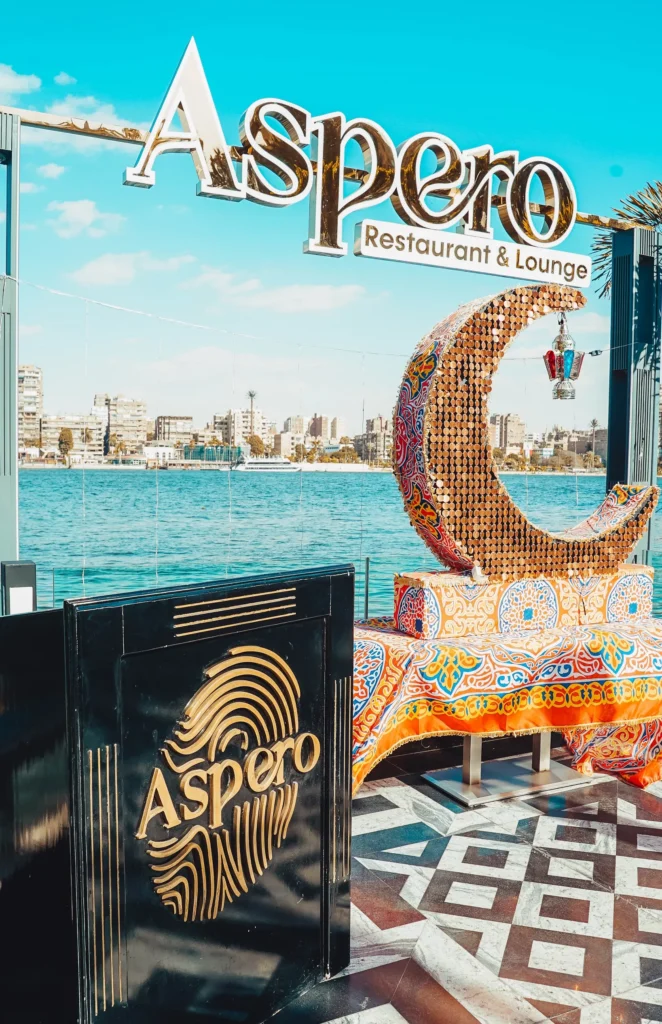
At Aspero Restaurant Giza, this variety is combined with a Nile-view setting, making it suitable for lunch, dinner, family gatherings, and special occasions.
The restaurant’s menu encourages guests to choose according to their appetite and preferences rather than restricting themselves to one type of cuisine.
Conclusion
Mediterranean vs International Cuisine: What to Expect at a Giza Restaurant comes down to regional culinary traditions versus broader global variety. Mediterranean cuisine highlights ingredients and preparations associated with countries surrounding the Mediterranean Sea, while international cuisine combines dishes from different food cultures. At Aspero Restaurant Giza, guests can explore both styles through grilled chicken, salmon, salads, steak, fajitas, and other menu selections. Whether you prefer fresh Mediterranean flavours or familiar international favourites, the restaurant offers different dining choices alongside its Nile views.

Comments are closed